

INSIGHT
Ideas, insights and perspectives on what’s happening tomorrow.
Explore cultural shifts, emerging behaviours and strategic opportunities across global industries and markets.
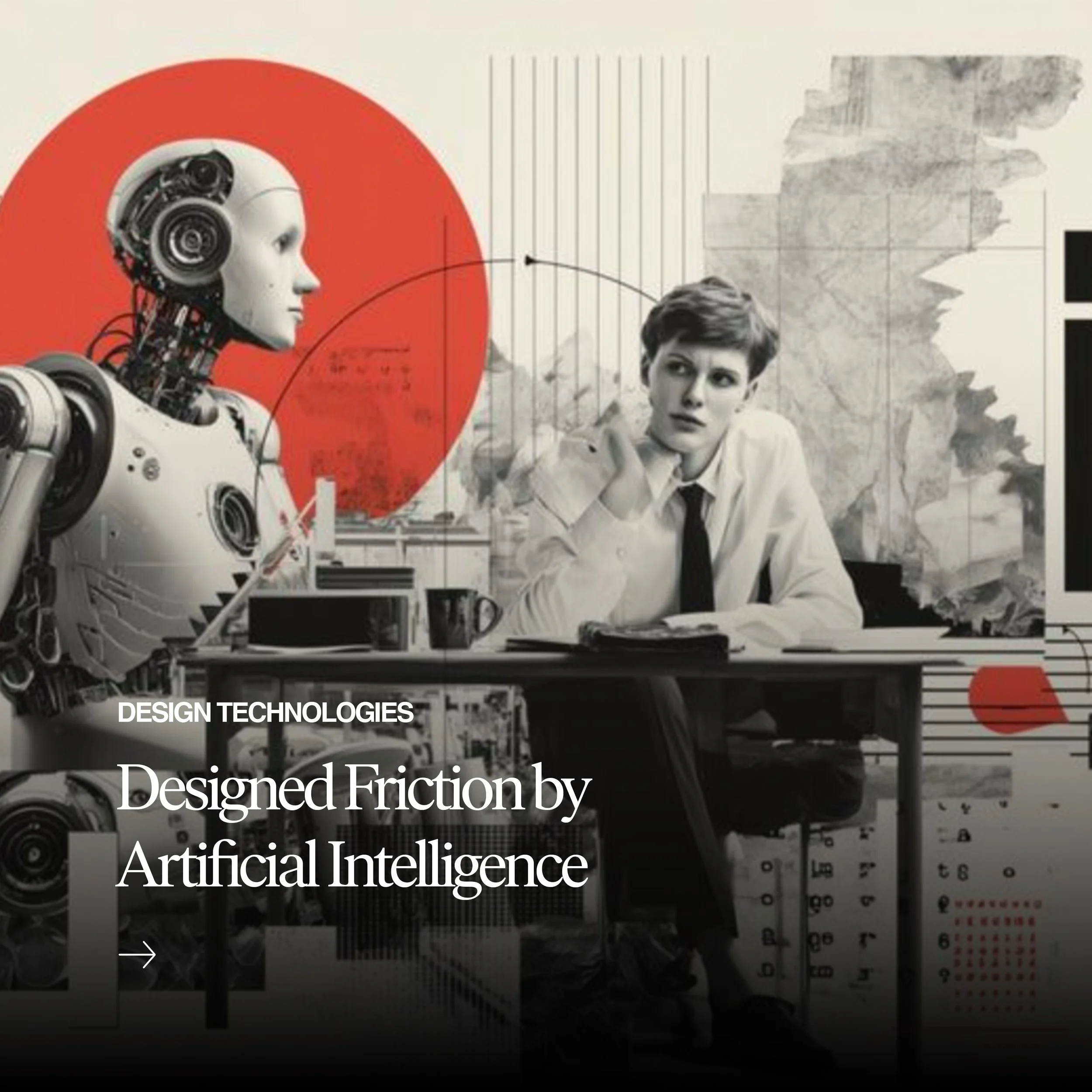
Designed Friction by Artificial Intelligence
AI is being sold on speed. Faster workflows, faster service, faster content and faster decisions. But speed alone does not create trust, confidence or real productivity. As AI moves deeper into products, services and customer experiences, the challenge is no longer simply what can be automated. It is where people still need visibility, judgement and control. This article explores why the best AI products will use designed friction, moments of consent, explanation, editability and reversibility, to help people move faster without feeling passive, exposed or replaced.

Before You Design the Product, Redesign the Question
Strategic design begins before the solution. Drawing on Hugo Eccles’ XP Zero motorcycle, this article explores how reframing the question, understanding the wider occasion and using deliberate constraints can challenge category assumptions, resist feature creep and unlock more distinctive innovation opportunities.
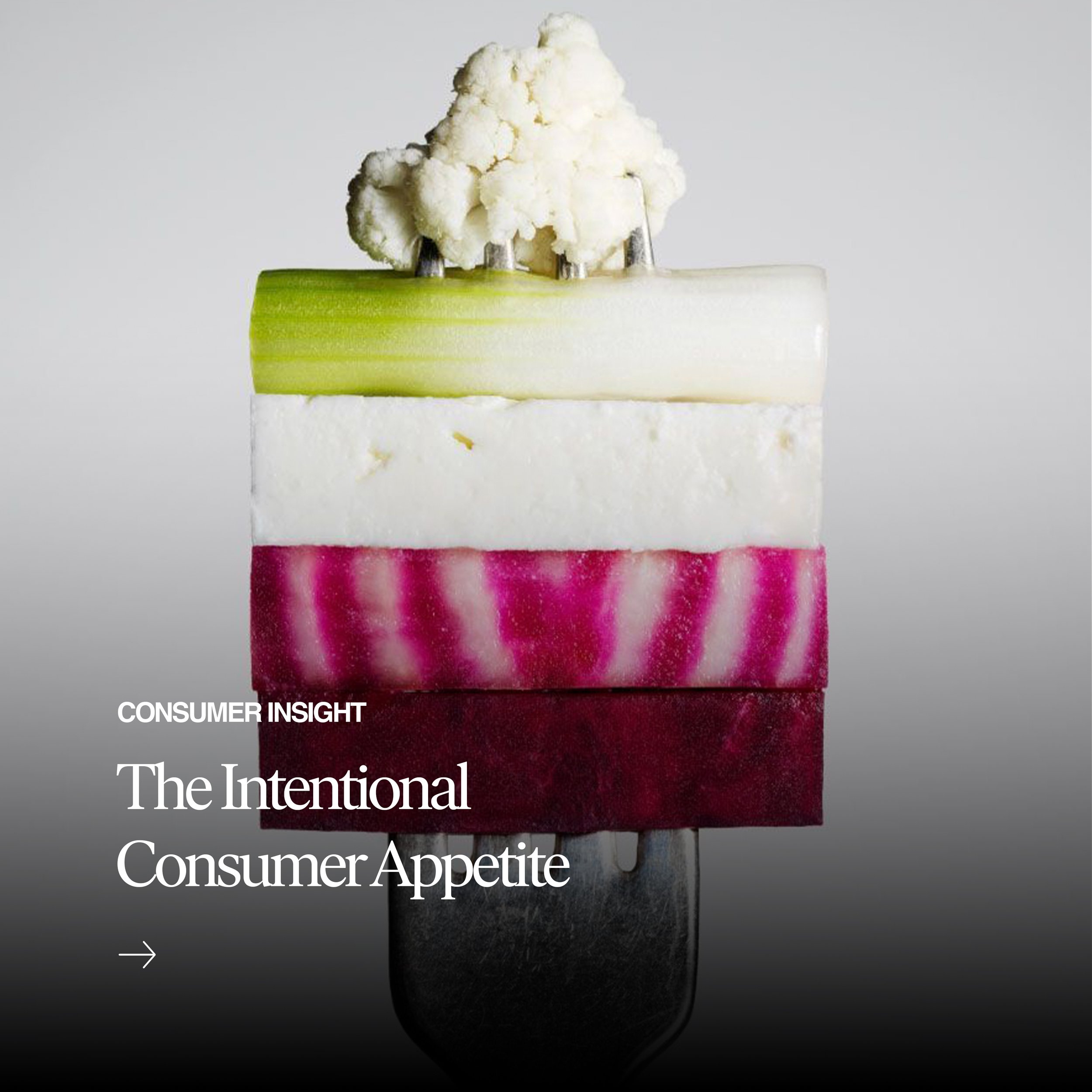
The Intentional Consumer Appetite
Food innovation is shifting from appetite stimulation to appetite intelligence. As GLP-1 medications, protein culture, fibre growth and mindful consumption reshape how people think about hunger, pleasure and control, food and drink brands need to rethink what makes a product worth choosing. The next opportunity is not simply helping consumers want more, but helping them want better.

Consumers Seek Proof Over Promise
Private label is no longer simply the cheaper alternative. It has become a trusted, normalised and increasingly premium part of the weekly shop. For FMCG brands, that changes the rules of competition. Awareness, heritage and polished positioning are no longer enough to justify a price premium. Brands now need sharper proof: clearer product benefits, stronger portfolio roles and more tangible reasons to be chosen.
Mobilities Reassurance Layer
Mobility innovation is often framed around smarter systems, cleaner technology and greater convenience. But people do not change how they move simply because better infrastructure exists. They change when new behaviours feel clear, reliable, low-risk and emotionally worthwhile. This article explores the need for a “reassurance layer”: the emotional, informational and sensory infrastructure that helps people trust EVs, rail, shared mobility and connected transport systems enough to use them.
Wellbeing by Design
Wellbeing by design is about turning emerging health, sensory and longevity trends into products, spaces and services that genuinely improve everyday life. By combining insight, innovation and human-centred design, brands can create credible, restorative and personalised experiences that help people feel better, not just do more.
The Influence of Exonomics
Exonomic pressures are now a stronger predictor of behaviour than age, redefining how people access and engage with technology. As living costs rise and global access to the latest technologies is ever harder to keep up with, digital participation is being reshaped by affordability, infrastructure, and skill. Welcome to the Tech Access & Fluency Era, where design and innovation strategy decode new behaviours to design for inclusion and create value from constraint.
The Human Cosmos | Part 3
As humanity looks outward to the cosmos, we’re forced to rethink how we live together here on Earth. Our Earth Reframed explores what it means to design societies, cultures, and systems for an age where planetary citizenship matters as much as national identity. This isn’t about escaping Earth. It’s about designing futures that allow both our planet and our species to thrive in an interconnected universe.
The Human Cosmos | Part 2
Space is no longer a distant dream, it’s entering our daily lives. With telescopes detecting signs of life on distant worlds and private companies making spaceflight a commercial reality, the cosmos is shifting from abstract to tangible. In part two of The Human Cosmos, we explore the cultural, ethical, and human-centred implications of a universe within reach, and what it means for the future of design, business, and humanity itself.

The Human Cosmos | Part 1
We’re entering an era where discoveries in space, AI, and science are reshaping what it means to be human. But innovation without understanding risks disconnection, fear, and failure. In this first article of a five part series, I explore how human centred design can ground these frontiers in empathy, ethics, and meaningful progress.
Empowering Financial Inclusion
Here we explore how Central Bank Digital Currencies (CBDCs) offer potentially a crucial opportunity for financial inclusion, empowering the underbanked and those without access to traditional banking. By merging digital efficiency with the stability of national currencies, CBDCs can provide accessible payment solutions for all, transforming how individuals engage with the economy.
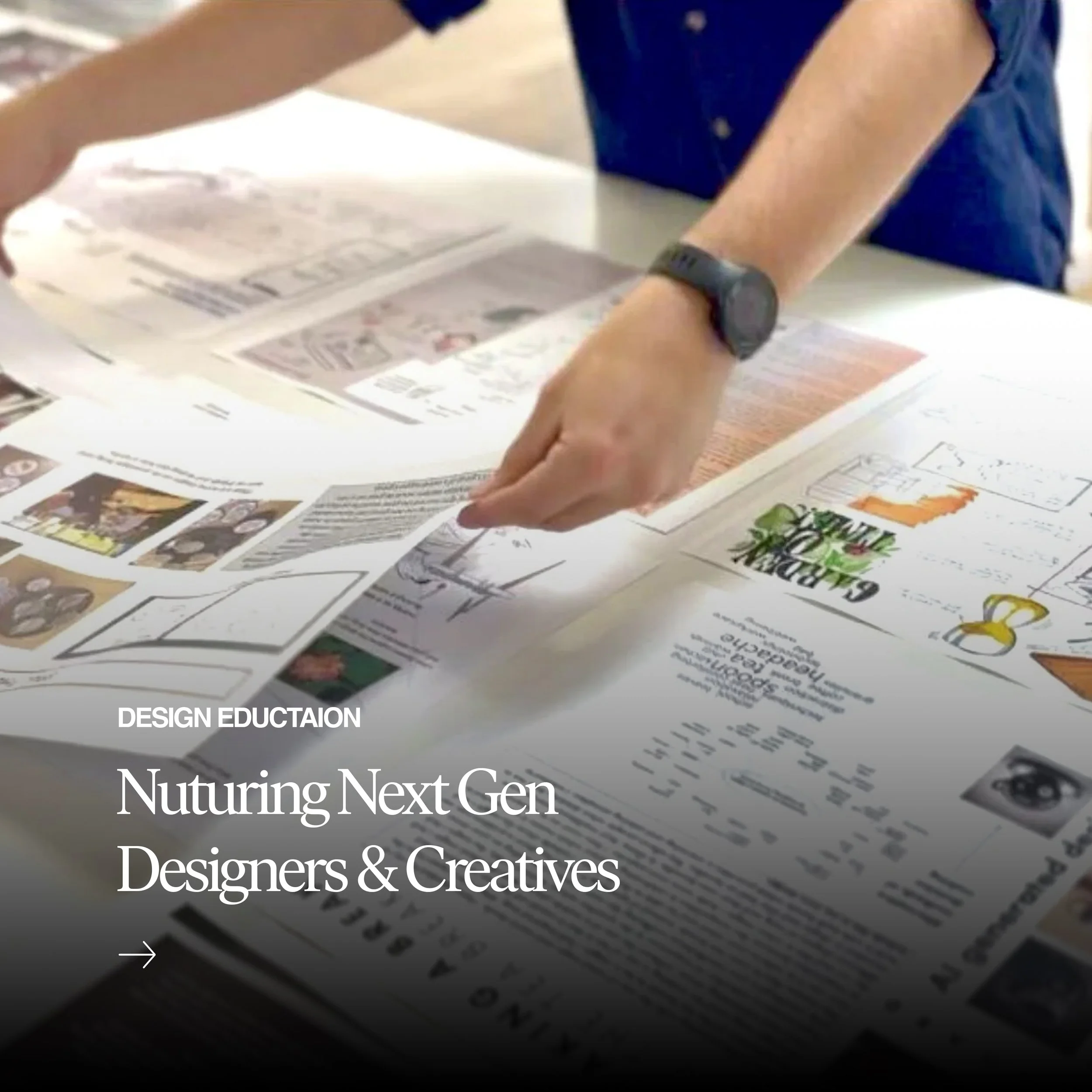
Nurturing Next Gen Designers & Creatives
Discover how nurturing a passion for design in the next generation can shape our future and drive economic growth, despite the challenges posed by a rigid education system.
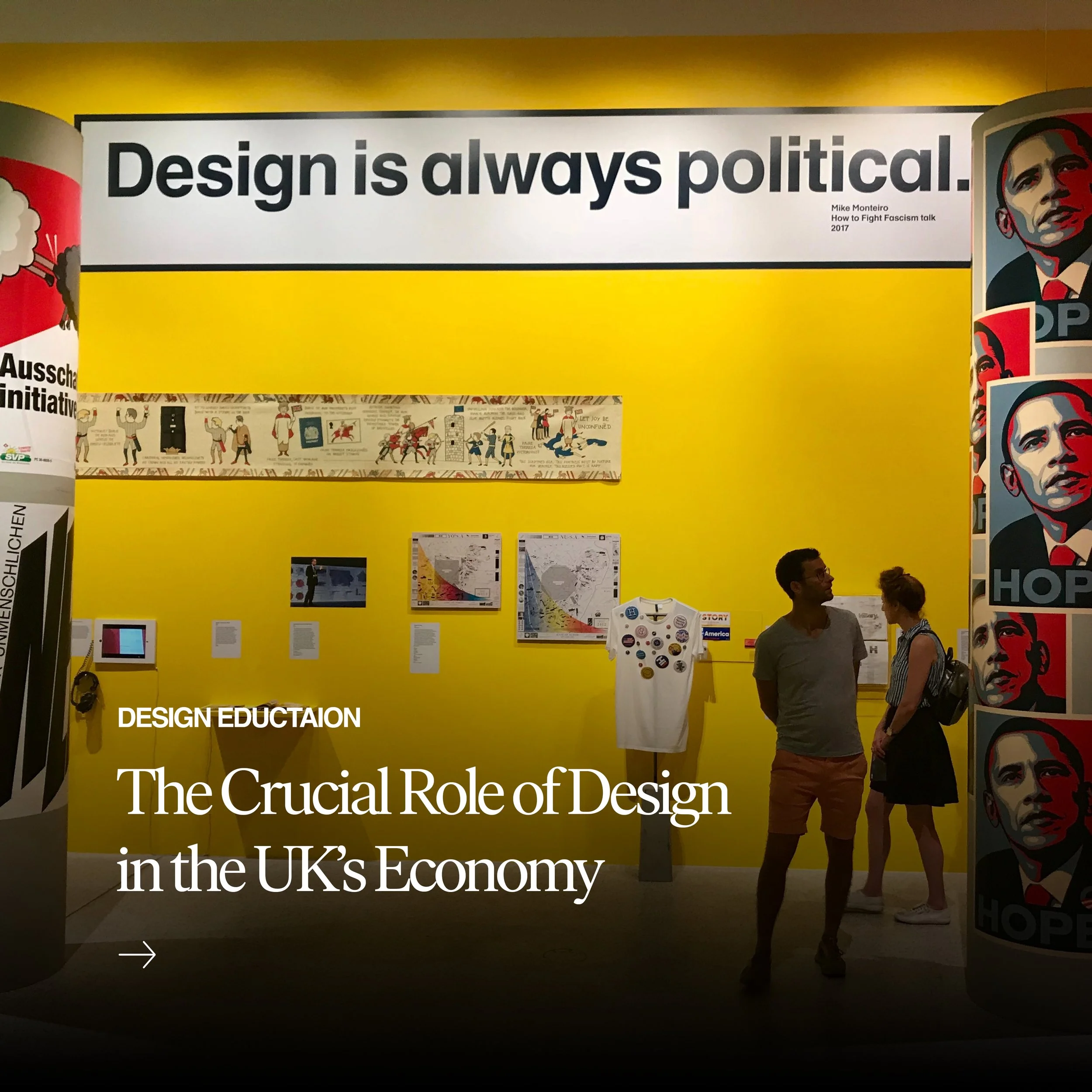
The Crucial Role of Design in the UK’s Economy
Design is a key driver of economic growth innovation, and sustainability in the UK. As the 2024 general election approaches, some political parties highlight its significance. This thought piece aims to give a glimpse into some political perspectives on the creative industry. However, there is far more work to do from UK potlitcal parties, if they are to convince anyone they are committed to design importance in te UK economy.
Multimodal Connected Mobility
Discover how multimodal connected mobility solutions can revolutionise transportation, improve accessibility, and foster sustainable, healthy, and equitable communities. Learn about the importance of infrastructure, policy, and behavioural changes.
Design Thinking & Beyond
As this journey beyond Design Thinking unfolds, think boldly, put people and planet at the centre, and push the boundaries of what is possible. This piece is not intended to lecture and is certainly not exhaustive of design practices, innovation tools, or inclusive principles. It’s merely a collection of thought starters. In the realm of innovation, the only limits are exclusion and imagination.

Design Thinking & Innovation Week
Supported by recent Seymourpowell case studies of projects as diverse as the future of food and drink, transport and consumer electronics – participants will have the unique opportunity to immerse themselves in the world of leading-edge materials with our Sustainable CMF Index, as well as experiencing first-hand the strategic approaches to systems-thinking.

Nomadic Futures
Explore how rural and suburban infrastructures can support the digital nomadic lifestyle amid rising remote work and nomadic visas. Discover future autonomous vehicle concepts designed for digital nomads, offering versatile living and working solutions.

Designing Innate Interiors
Discover how Prospect & Refuge merges psychology and design to create a humanised autonomous vehicle experience. Explore the innovative interior design inspired by the Prospect and Refuge theory, offering comfort, security, and social interaction for family commuting.