The Intentional Consumer Appetite

What GLP-1s, protein culture and mindful consumption mean for food innovation.
For decades, food and drink innovation has largely been built around appetite stimulation.
More flavour.
More crunch.
More indulgence.
More occasions.
More formats.
More reasons to snack, sip, graze and treat.
The commercial logic was clear. Grow desire, increase frequency, extend occasions and make products harder to resist.
But that logic is starting to change.
A new appetite culture is emerging, shaped by weight-loss medication, protein-led eating, fibre growth, digestive health, alcohol moderation, smaller rituals and more intentional forms of pleasure. Consumers are not necessarily turning away from enjoyment. They are becoming more selective about what deserves their appetite in the first place.
The strategic shift for food and drink brands is this…
Innovation is moving from “how do we make people want more?” to “how do we help people want something better?”
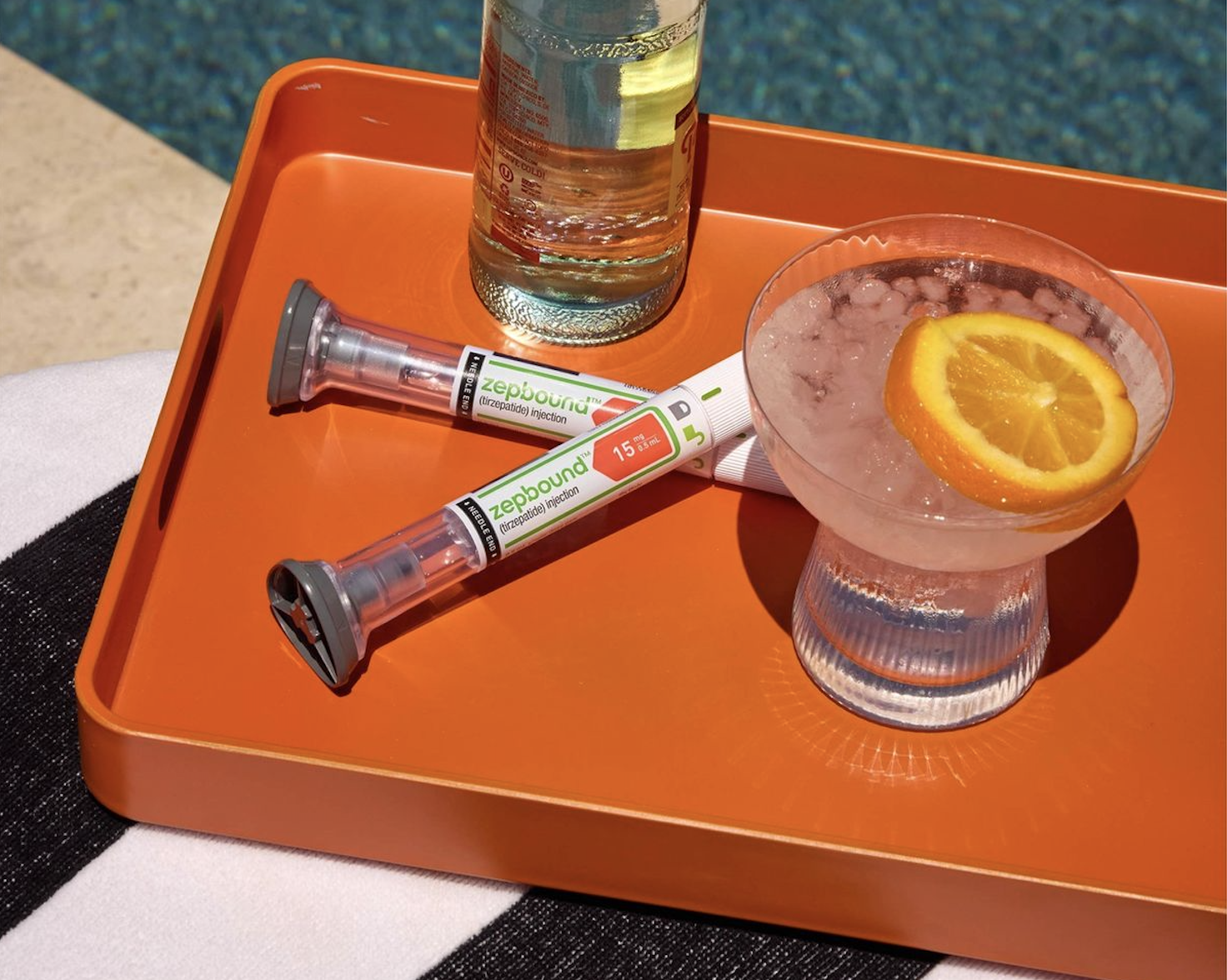
The appetite economy is changing.
This is not simply a health trend. It’s a wider behavioural reset.
Consumers are still under pressure from inflation, but they are also investing in nutrition, performance, energy, digestion and long-term wellbeing. NielsenIQ (NIQ) reported that UK protein-based foods grew by 9.6% and fibre-based foods by 14.1% over a 26-week period in early 2026, well ahead of wider FMCG growth. NIQ also noted that one in four UK households said health was their number one priority for the year ahead.
That matters because protein and fibre are not marginal wellness cues anymore. They are becoming mainstream choice architectures.
Protein once sat in sports nutrition, gym culture and specialist performance products. Fibre was often associated with digestive discomfort, ageing or worthy breakfast cereals. Now both are being reframed as everyday tools for satiety, balance, gut health, blood sugar awareness and feeling better through the day.
In other words, consumers are not just asking whether food tastes good. They are asking what role it plays.
Does it fill me up?
Does it support my energy?
Does it feel lighter?
Does it help me avoid a crash?
Does it fit into the version of myself I am trying to become?
This is the beginning of what could be called appetite intelligence. A more conscious relationship between desire, portion, function, mood and long-term wellbeing.
GLP-1s are a signal, not the whole story.
GLP-1 medications have made the appetite conversation visible because they affect cravings, fullness, portion expectations and food noise in dramatic ways. But brands should be careful not to treat GLP-1s as the whole trend.
They are better understood as one sharp signal within a broader movement towards appetite moderation.
Worldpanel by Numerator research reported by The Guardian found that UK households with GLP-1 users save more than £400 a year on groceries, with use nearly tripling in two years to 1.9 million adults. The same research suggested GLP-1 households collectively spent £780m less on groceries than expected, with 299m fewer items bought.
The behavioural detail is even more important than the headline. More than half of users described their eating as more mindful, guided by hunger rather than habit, routine or restriction. More than half reported fewer cravings and less food noise, while three quarters said they ate less chocolate and nearly three quarters reduced crisps.
For food and drink brands, this is not just a volume problem. It is a relevance problem.
If people are eating less, choosing more deliberately and becoming more aware of satiety, the winning products will not simply be the loudest, biggest or most indulgent. They will be the ones that earn their place through clearer value.
That value might be nutritional.
It might be emotional.
It might be ritualistic.
It might be sensory.
It might be portion-controlled.
It might be about digestive comfort, energy, focus or simply a better-quality moment.
The question is no longer just how do we trigger appetite?
It’s how do we deserve appetite?
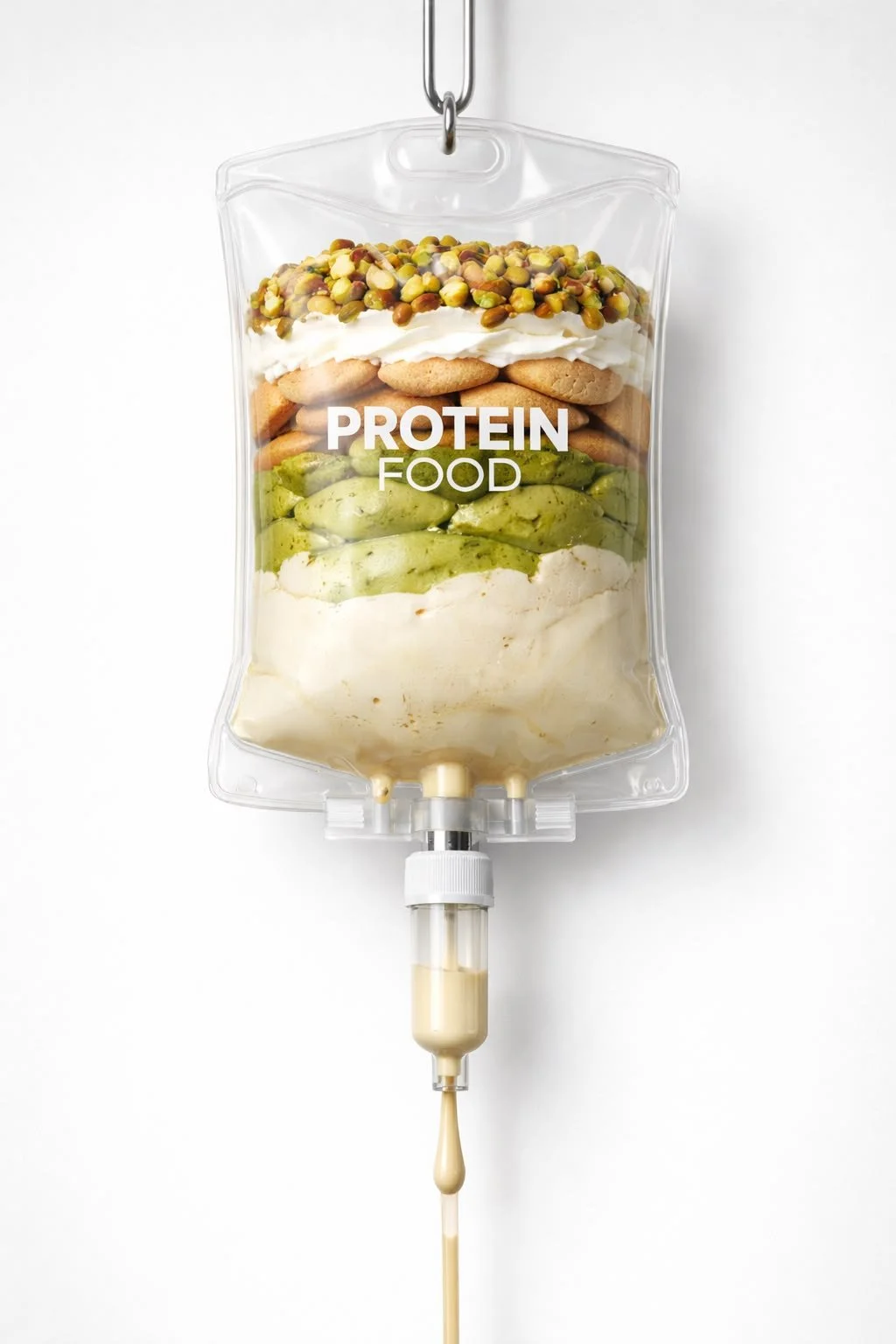
Protein and fibre are cultural shortcuts.
Protein and fibre are growing because they give consumers something they increasingly want. A sense of control without total restriction.
Protein and fibre are easy-to-understand benefits. They travel across categories. They can sit inside yoghurts, bakery, cereal bars, snacks, drinks, ready meals and desserts. They also offer brands a route into health without requiring consumers to abandon pleasure.
But there is a danger here.
As more products add protein or fibre claims, the market risks becoming crowded, repetitive and functionally generic. “High protein” alone will not be enough. “Source of fibre” alone will not be enough. The next stage of innovation needs to move from functional addition to proposition design.
That means asking sharper questions.
What is the occasion?
What appetite state are we designing for?
Is this a breakfast anchor, an afternoon bridge, a post-exercise reward, an evening treat or a late-night alternative?
Is the product solving hunger, cravings, energy, digestive comfort, guilt, convenience or emotional reward?
Where does pleasure still show up?
The opportunity is not just to add functional ingredients. It is to design more intelligent food experiences around how people actually eat.
A protein bakery product, for example, should not just be “a normal product with more protein.” It could be positioned around sustained morning energy, a better commute breakfast, a more filling afternoon treat or a permissible comfort moment. A fibre-led snack should not feel medicinal. It could be built around digestive ease, everyday balance and satisfying texture.

Moderation is becoming expressive.
The brands that win will make function feel desirable, not dutiful.
The same shift is visible in drinks.
The Future Laboratory’s 2026 drinks futures work points to a more flexible drinking culture where fixed occasions give way to mood, mindset and modular choices. Its “Liquid Intentions” report highlights micro-serves, mid-strength, zebra striping and intentional consumption as part of a more control-seeking drinks future.
This matters beyond alcohol.
Zebra striping, alternating alcoholic and non-alcoholic drinks, is not just a moderation tactic. It is a signal of a wider cultural mood: people want pleasure, but they also want agency. They want to participate without losing control. They want the night out without sacrificing the next day. Business Insider has also reported on Gen Z using zebra striping as part of a wider shift towards more deliberate drinking behaviours, no/low options and functional alternatives.
This is relevant for snacks, bakery, confectionery and ready meals because it shows that moderation is no longer necessarily framed as denial.
Moderation can be expressive.
Moderation can be adult.
Moderation can be premium.
Moderation can be a sign of self-knowledge.
Moderation can be part of identity.
WGSN’s SXSW 2026 commentary similarly frames intentional consumption and moderation as behaviours replacing excess, asking what brands need to do as consumer appetites shift.
For FMCG, the implication is significant. Smaller does not have to mean less valuable. Less frequent does not have to mean less desirable. Lower sugar, lower alcohol, smaller portion or higher satiety does not have to mean compromise.
The opportunity is to create products that feel considered, not reduced.

Smaller rituals, stronger reasons.
The old innovation instinct was often to create bigger formats, bigger flavours and bigger occasions. But appetite intelligence points to a different kind of growth…
Smaller rituals with stronger reasons to exist.
Meaning…
A smaller snack that is more satisfying.
A treat that balances indulgence with protein or fibre.
A drink that helps someone pace an evening.
A bakery product designed around fullness rather than excess.
A ready meal that communicates satiety, comfort and energy more clearly.
A permissible indulgence product that feels emotionally generous but nutritionally credible.
This is where the commercial opportunity becomes more interesting.
If people are buying fewer items, eating more deliberately or reducing certain categories, brands need to work harder to create products that feel worth choosing. The future of food innovation may be less about adding more things to the basket and more about becoming one of the few things that still makes the cut.
That requires a different innovation lens.
Not just flavour pipelines.
Not just trend-led claims.
Not just “better-for-you” reformulation.
Not just functional badges.
It requires a deeper understanding of changing appetite behaviour: how people think about hunger, cravings, control, pleasure, fullness, health, identity and value.
The danger of becoming too clinical.
There is a clear risk in this space. Appetite intelligence can quickly become joyless if brands over-medicalise it.
Consumers do not want every product to feel like a prescription. They do not want every snack to sound like a supplement. They do not want food culture to become a spreadsheet of macros, claims and restrictions.
Food still needs pleasure.
Texture still matters.
Taste still matters.
Comfort still matters.
Ritual still matters.
Brand world still matters.
The challenge is to design for appetite intelligence without stripping food of its emotional role.
That means avoiding over-claims, diet-coded language and purely clinical propositions. It also means recognising that consumers are not all moving in one direction. Some will be using GLP-1s. Some will be protein-maxxing. Some will be trying to eat more fibre. Some will be reducing alcohol. Some will simply be choosing smaller treats because budgets are tighter and health feels more important.
The opportunity is not to chase one trend. It’s to understand the changing logic underneath them.
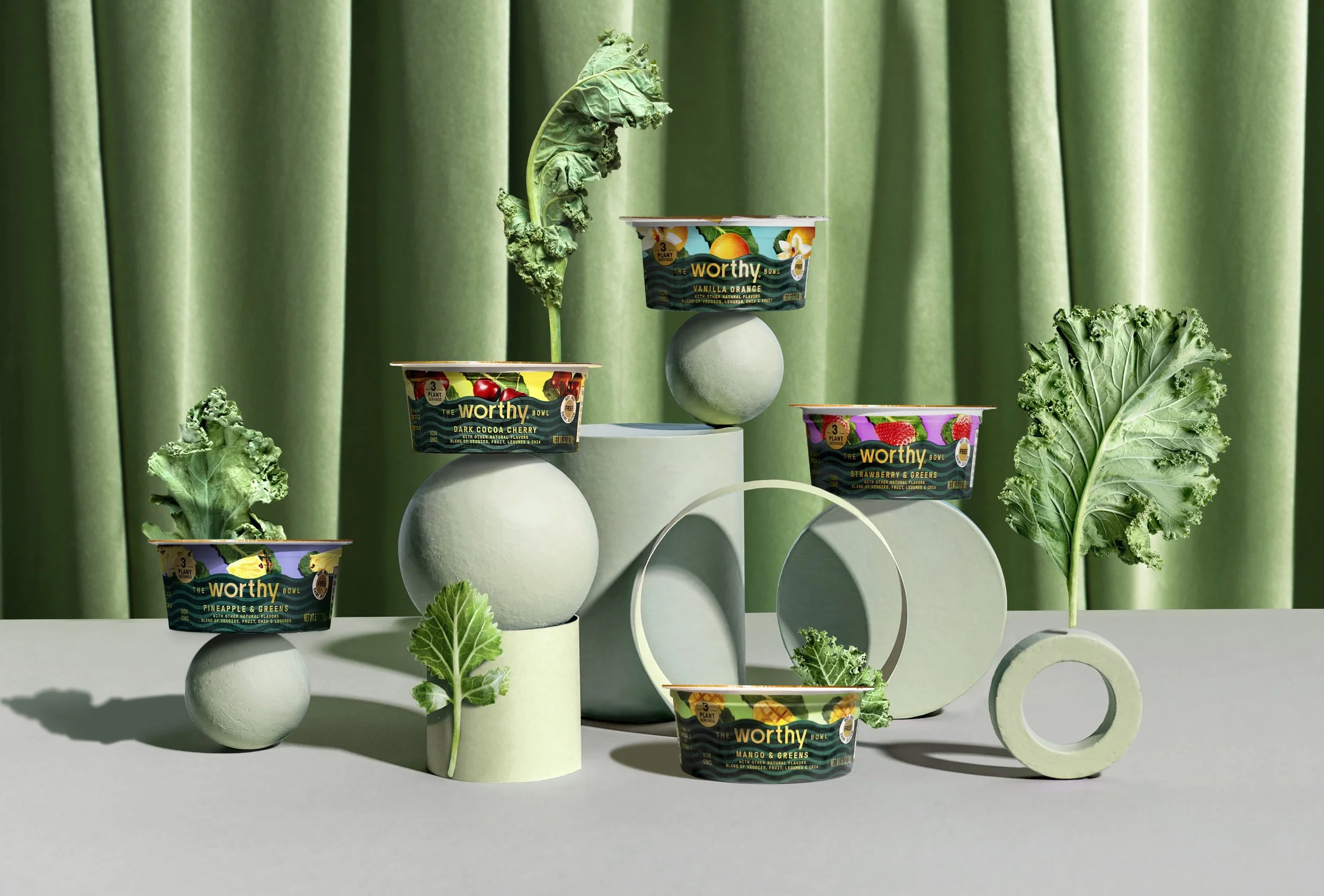
What this means for food innovation teams.
The next generation of food and drink innovation should be built around four connected questions.
What appetite state are we designing for?
Hunger, cravings, energy dips, digestive comfort, evening reward, mindful indulgence and social pacing are different states. They need different propositions.What role does the product play in a more intentional routine?
Products need to earn a clearer job in the day, week or occasion. “Tasty” is still essential, but it may no longer be enough.How do we make function feel pleasurable?
Protein, fibre, no/low alcohol, gut health and satiety need better sensory and emotional storytelling. The future is functional pleasure, not functional punishment.Where can smaller formats create bigger value?
Smaller portions, micro-rituals, premium miniatures, satisfying snacks and modular drinking choices can create value if they are designed around control, quality and emotional reward.
This is the real innovation brief: not to make consumers eat more, but to make products more meaningful when they do.
From appetite stimulation to appetite intelligence.
GLP-1s may be the loudest signal in the market, but they are not the whole story.
Protein growth, fibre growth, no/low alcohol, zebra striping, mindful eating, digestive health and intentional consumption are all pointing towards the same strategic shift. Consumers are developing a more deliberate relationship with appetite.
They still want pleasure.
They still want treats.
They still want flavour, comfort and enjoyment.
But they increasingly want those things to fit into a more conscious system of health, identity, budget, energy and control.
For food and drink brands, this is not a threat to creativity. It is an invitation to innovate with more precision.
The future belongs to brands that can make products feel enjoyable, useful and worth choosing in a world where appetite is becoming more intentional.
Where design and innovation strategies come in.
Food and drink brands need more than trend tracking. They need to understand which behaviours are changing the role, format, value and future relevance of their products.
Through cultural insight sprints, innovation territory mapping, future product pipeline strategy and proposition development, I help FMCG teams turn emerging behaviours into clearer opportunities for growth.
Because the next wave of food innovation will not just be about making people want more.
It will be about helping them want better.
If your brand is competing against private label, the answer is not more noise, broader claims or another layer of packaging polish.
It is a sharper value proposition, a clearer portfolio role and stronger evidence of why people should choose you.
That is where proposition strategy, category opportunity mapping, consumer research and innovation pipeline development can turn brand advantage from something assumed into something shoppers can actually see, feel and believe.