Wellbeing by Design
The Better-for-You Era is Rewiring Markets Globally
In 2025 we stand on a tipping point where wellness is no longer just a niche lifestyle choice. It's reshaping entire industries. On average, online search engine data highlights to us that consumers are actively seeking change. Platforms including TikTok, Instagram and Reddit further amplify this shift, showing rapid growth in hashtags such as #wellbeing and #mindfulliving. For instance, posts on TikTok for “microbiome diet” have grown by over 200% year-on-year.
This article explores how the Better-for-You era is influencing four major sectors, including Transport, Product, Service and Food & Beverage. And how strategic design and innovation can enable brands to lead rather than follow.
The New Wellness Landscape
Although there are many trends that intwine and overlap this global focus. We’ll be focusing on three macro-trends that are defining these mindsets and behavioural shifts including bio-individual wellness, sensory restoration, and everyday longevity.
Bio-Individual Wellness
Wellness is becoming personalised, driven by data, genetics and microbiome insights. The global personalised nutrition and supplements market was estimated at USD 14.02 billion in 2024, projected to reach USD 48.57 billion by 2033 (CAGR ~14.9%). Grand View Research
Sensory Restoration
Wellness is no longer just optimisation. It is about restoration. From sleep to sound therapy to neuro-aesthetic environments, consumers seek sanctuary. The sound-healing and therapy market alone was roughly USD 3.2 billion in 2024 and is expected to reach USD 8.68 billion by 2035 (CAGR ~9.5%). Metatech Insights
Neuro-aesthetics is an interdisciplinary field that studies the biological basis of aesthetic experiences by combining neuroscience, psychology, and the arts. It investigates how the brain processes beauty, art, music, and nature, and how these experiences affect our reward systems, emotions, and overall well-being.
Everyday Longevity
The paradigm is shifting from anti-ageing for the few to healthspan for the many. Prevention over cure, routine over ritual. As reported by McKinsey & Company, wellness is a resilient category with global consumers rating it as “top or important priority”, with 84% in the U.S., 79% in the U.K., and 94% in China. McKinsey & Company
Together, these trends create a compelling set of opportunities across all sectors.
We’ll be examining the three macro-trends threw the lenses of transportation, products, services, and food & beverages.
Wellness on the Move
Transport is no longer simply about mobility. It’s becoming an extension of wellbeing.
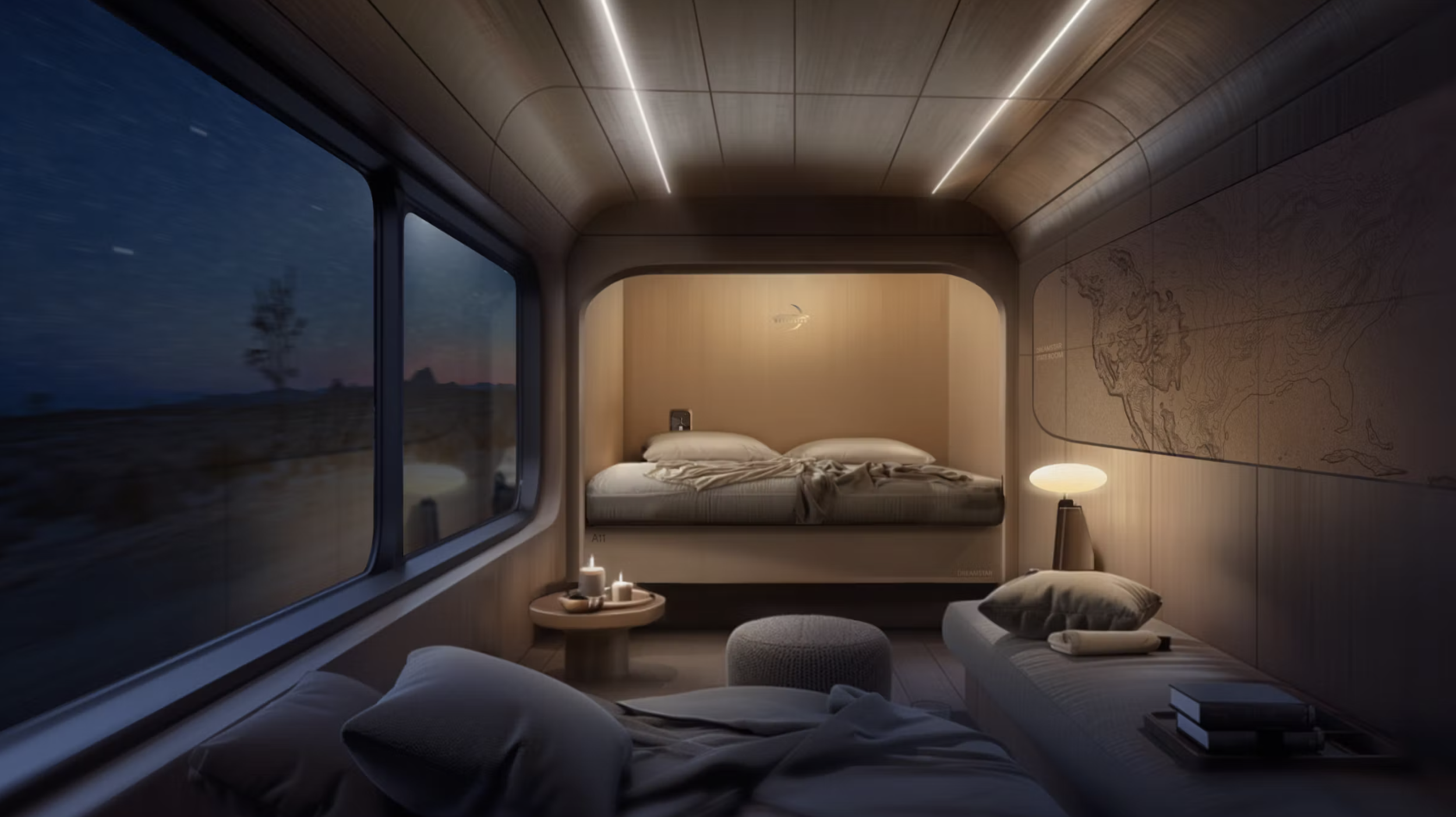
BMW Group Designworks Overnight Rail
Bio-Individual Wellness
Imagine in-car or in-plane systems that adapt to your biometrics. Seat vibrations and positions adapting to your comfort or aches and pains, or ambient temperatures adjusting to your stress levels tracked through wearable devices or heat temperature readings. What if personalised nutrition snacks were offered mid-journey based on your microbiome profile when stepping onboard. Brands such as Whoop and Oura wearable devices hint at this future.
Transport brands are increasingly weaving bio-individual wellness into their experiences, using adaptive environments, sensor-driven comfort, and wellness-led partnerships.
BMW integrates mood-responsive features through its Caring Car system and Experience Modes in the new Series Gran Coupé, enhancing comfort via lighting, sound, and climate, while Designworks explores sensor-rich, touch-free interior tech to support wellbeing.
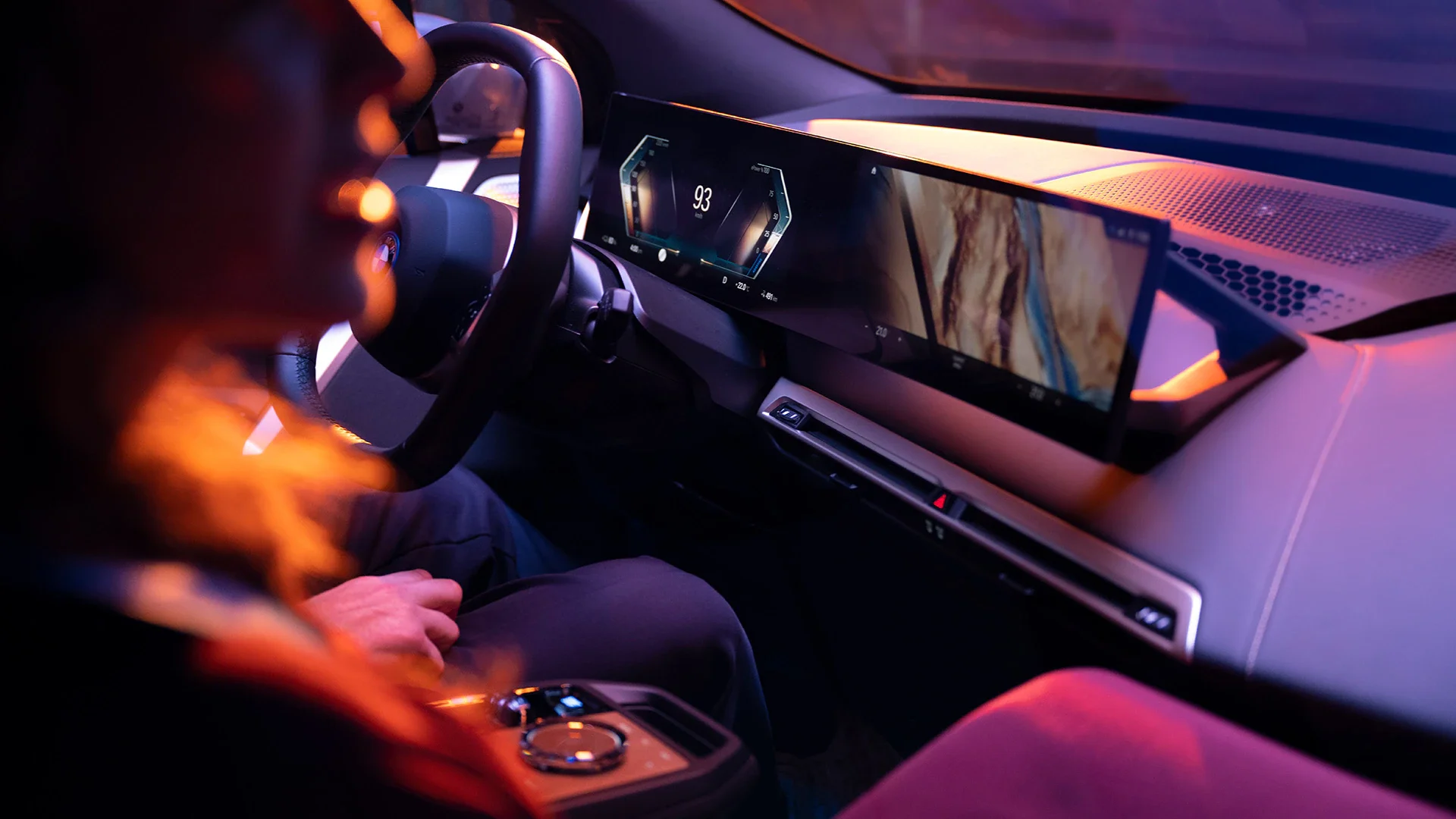
BMW Caring Car System
Lexus extends wellness beyond the vehicle through its Wellness Destinations programme with luxury resorts such as Miraval and Cal-a-Vie, positioning the brand as a facilitator of restorative travel.
In aviation, Lufthansa-Technik’s Welcome Home cabin concept incorporates spa-style amenities, calming lighting, and recovery-oriented design, while Panasonic Avionics supports circadian alignment and cleaner air through adaptive lighting and nanoe™ purification. Even suppliers like Dräxlmaier contribute through natural-fibre, biophilic materials and interior systems that enable personalised, wellness-focused cabins.
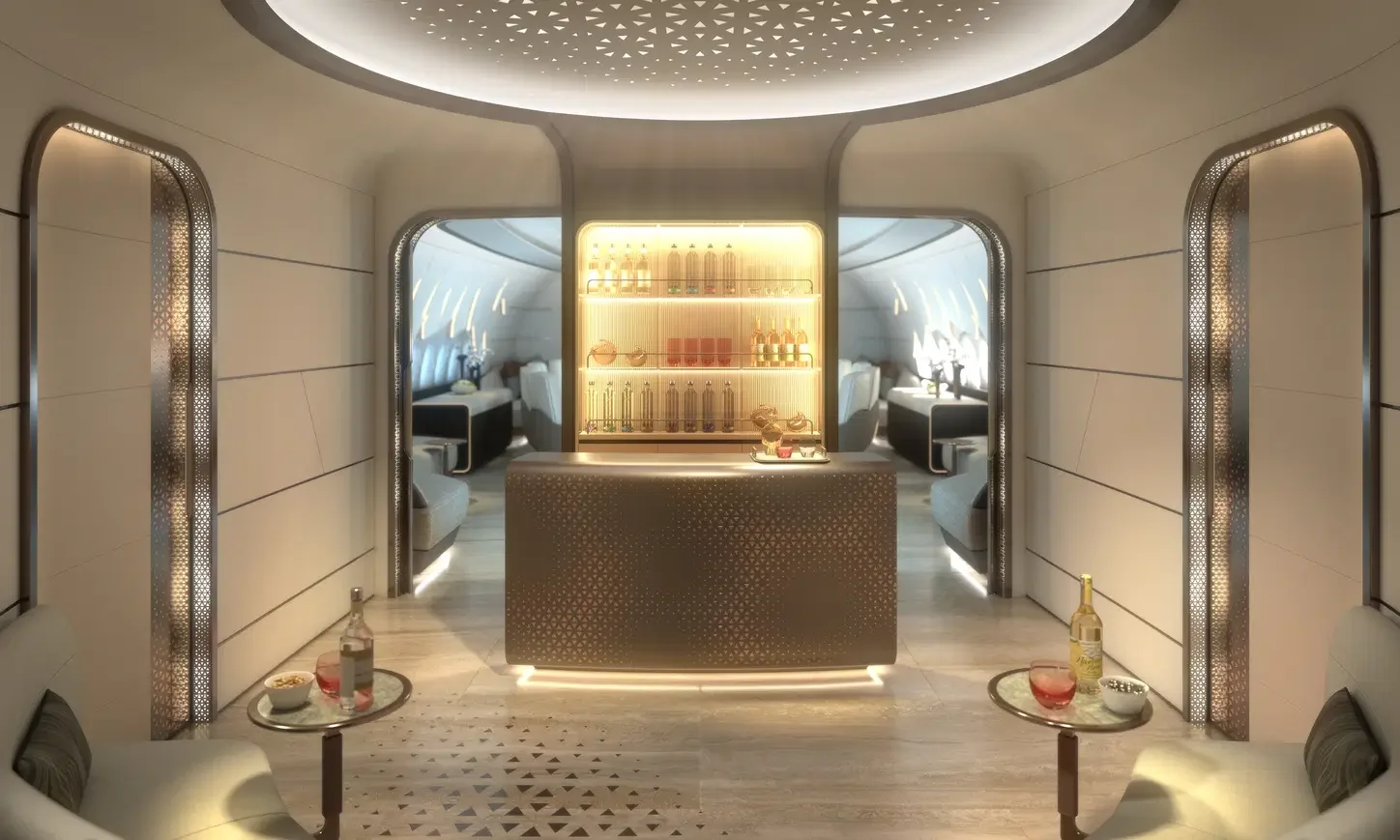
Lufthansa-Technik Welcome Home Cabin Concept
These brand directions demonstrate a shift from simple comfort upgrades to emotionally and physiologically responsive travel experiences that align with the broader move toward Bio-Individual Wellness.
Sensory Restoration
Restoration in transport means more than comfortable seating. It means cabins designed for calm. Think sound-masking, circadian lighting, scent diffusion, deep-rest pods. For example, airlines now experiment with “sleep tourism” style night-flight suites. The growing sound therapy market backs this movement. Coherent Market Insights

“Sleep Tourism” Style Night-flight Suites
Everyday Longevity
In the transport context, longevity means designing journeys that support routine wellness. Think ergonomic seating to reduce musculoskeletal strain, multi-modal links supporting active travel, onboard healthy-food offerings. Consumers are increasingly looking for transport environments that preserve their health rather than degrade it.
Design & Innovation Takeaway
Transportation brands need to harness wellness sensors, modular cabin design, and ambient experience layering. A strategic partnership with wearable or health-tech firms may unlock personalised in-mobility wellness services. The key is designing the environment as a wellness platform, not just a vehicle.
Well-Designed for Wellness
From everyday goods to high-tech wearables, products are being re-imagined for the Better-for-You era.
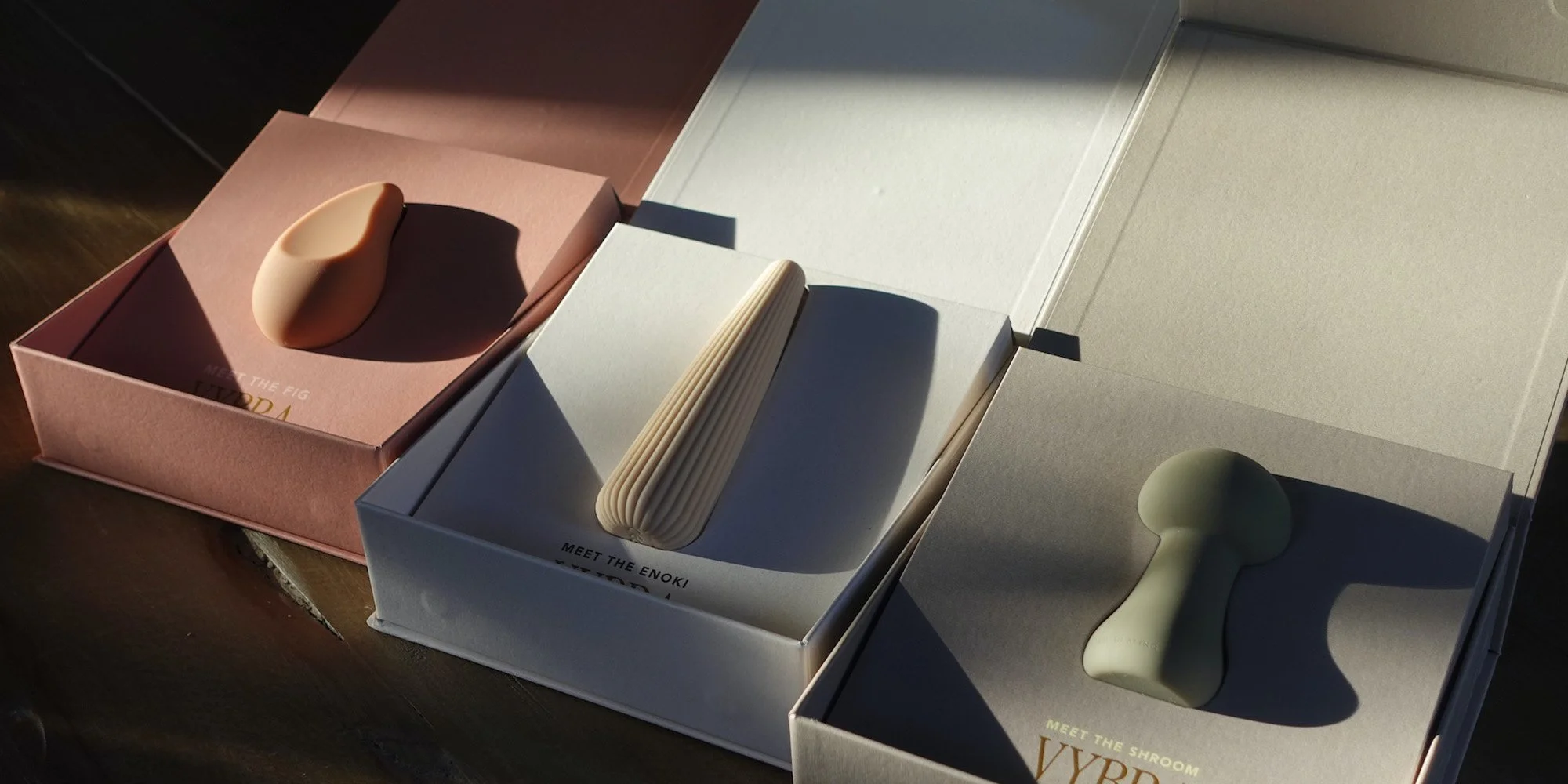
Vybra Vibrating Wellness
Bio-Individual Wellness
Products that adapt to your biology. Think DNA-based skincare, microbiome-driven nutrition, AI wellness apps all represent this trend. Zoe nutrition app uses microbiome testing to tailor your diet. The Guardian. The personalised nutrition AI platforms market is expected to grow from $1.48 billion in 2024 to $ 18.7 billion by 2034 (CAGR 27.5%). Global Market Insights Inc.
Sensory Restoration
Design for sensory restoration is about building environments and products where sound, architecture, and intentional design coax people out of overstimulation and into calm states. Drawing from ancient sound-therapy traditions and modern neuroscience, similarly applied by organisations such as Cambridge Sleep Sciences, who use sound waves engineered to shift brain states and guide sleep cycles via their SleepEngine™ technology, effective wellness design can blend curated soundscapes, built spaces, and purposeful everyday products to deliver restorative effects. In practice, this means immersive installations or “sanctuary pods” that use controlled acoustic geometry and frequency design, think sculpted meditation domes, tone-modulated architecture, alongside everyday consumer products like weighted blankets for deep-pressure calm, bedside sound generators or “sound soothers,” and interactive rhythmic instruments or “rain-disk” tools for grounding.
Brands or designers might commission permanent installations such as a polygonal meditation pavilion with acoustic-optimised panels and singing-bowl sound bath zones, or collaborate with artists like Chromasonic whose immersive light-and-sound experiences create shifts in parasympathetic response in users.
Everyday Longevity
Everyday Longevity is accelerating as consumers shift from quick-fix wellness to long-term health maintenance, driving demand for products, environments, and routines designed to support healthspan rather than short-term performance. Wearables like WHOOP 5.0 illustrate this shift, offering continuous monitoring of sleep, recovery, heart-rate variability, and stress to help users manage daily behaviours that compound into long-term wellbeing.
Alongside wearables, ergonomic design is becoming central to longevity-focused living: premium options like the Humanscale Freedom Task Chair and even accessible organic lumbar supports help reduce long-term strain from sedentary lifestyles.
Technology and home designs are evolving in the same direction, with longevity-focused products, from adaptive lighting systems and air-quality monitors to posture-supporting ergonomic furniture, engineered to strengthen daily biological resilience rather than deliver short-term fixes. This broader shift is reinforced by cultural momentum and longevity is now being framed as a global lifestyle movement, with initiatives like the XPRIZE Healthspan Prize and open-source biological age tools like CosinorAge making healthy ageing more accessible and data-driven.
Altogether, the emerging landscape signals a future where everyday products, from home environments to wearable tech and functional nutrition, aim to extend wellbeing throughout life, embedding preventive care seamlessly into daily routines. Products that support long-term health rather than a quick fix, ergonomic furniture, wearable trackers, nutritional snacks targeting prevention rather than performance.
Design & Innovation Takeaway
Designers must embed generational relevancy, data capture, and tech adaptation into product and brand DNA. Creating sensory-rich interactions and shifting value from status to wellness. Brands that succeed will deliver products that feel like personal health tools rather than luxury gadgets.
Wellness as the Experience
Services are the key touchpoint for wellness, not just static products, but immersive experiences.
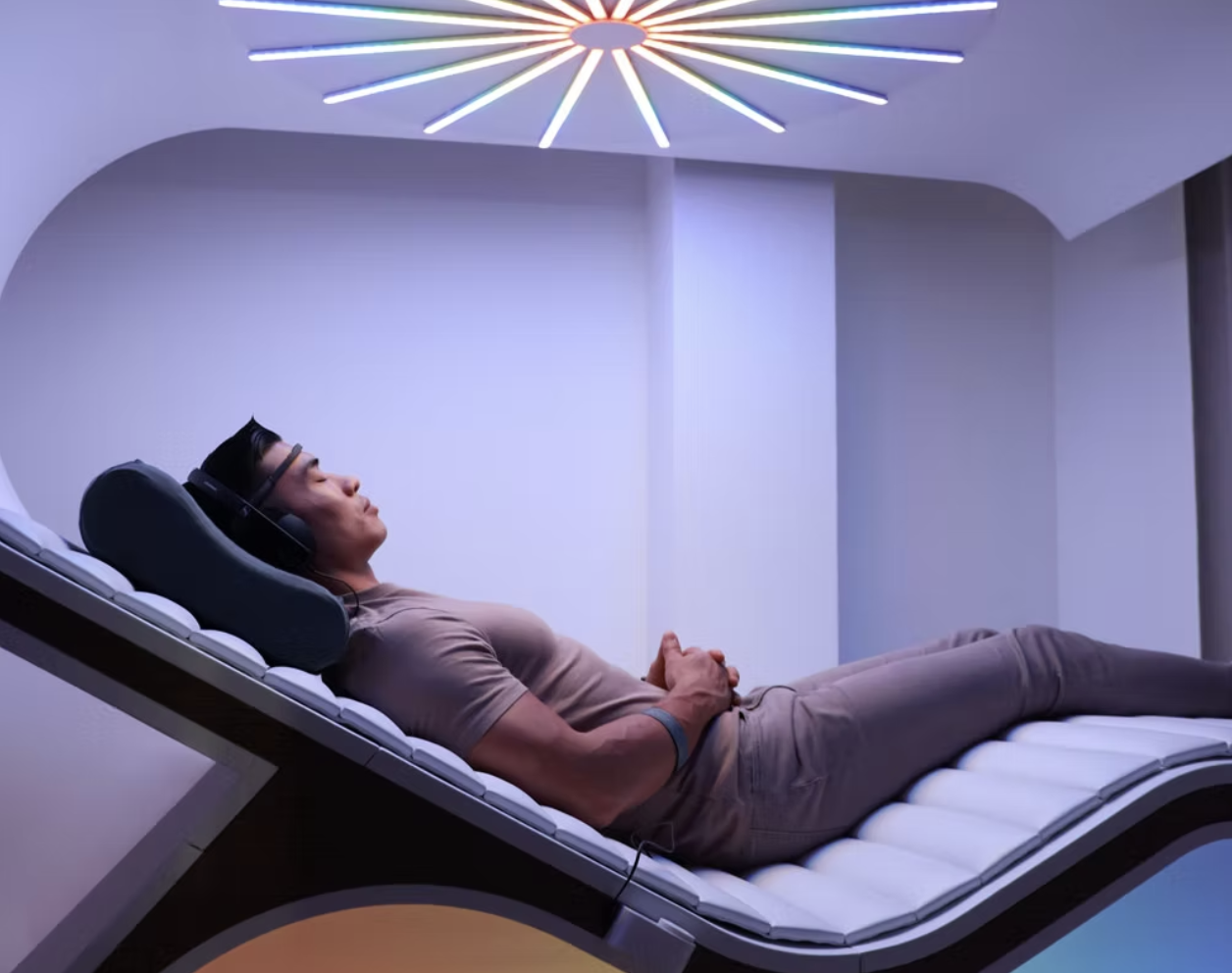
Remedi London
Bio-Individual Wellness
The “personal lab” service model, microbiome testing, AI wellness coaches, in-store diagnostics, exemplifies this. Retail brands have been and are continuing to evolve into wellness hubs.
Sensory Restoration
Sensory restoration is quickly becoming a defining pillar of wellness-as-experience, as consumers seek services that calm the nervous system and counter chronic overstimulation. Beyond traditional spa formats, brands are creating neuro-aesthetic, multi-sensory environments that use sound, light, scent, and temperature to actively shift physiological states. Sound baths have moved from niche to mainstream, offered by studios like Wavepaths, which blends generative music with immersive lighting to induce restorative brain states. Luxury hospitality and wellness resorts are also embracing this shift: Six Senses offers neuroscience-informed sleep retreats, while Equinox Hotels positions “regenerative rest” as a core service through circadian lighting, soundproofing, and guided sleep content.

Six Senses Hotels
Urban wellbeing spaces like Re:Mind Studio in London provide accessible meditation, breath-work, and sound-therapy sessions that fit into weekly routines, while tech-forward centres and gyms such as Third Space are introducing vibroacoustic therapy, binaural sound pods, and sensory recalibration lounges as part of their service menu.
Together, these offerings highlight a rising expectation that wellness experiences should not simply pamper, but restore the senses, recalibrate overstimulated systems, and provide tangible stress-reduction benefits rooted in science.
Everyday Longevity
Everyday Longevity is transforming the wellness service landscape as consumers increasingly seek ongoing, preventative support rather than short-term fixes. Subscription-based services are blending continuous diagnostics, personalised coaching, and lifestyle interventions that help people build long-term resilience.
Platforms like Parsley Health and Wild Health offer functional-medicine memberships that include regular biomarker testing, gut-health analysis, and clinician-led longevity plans. Milo and Span Health provide continuous metabolic and glucose-insight coaching, helping users adjust daily habits to improve long-term health outcomes.
Longevity clinics are delivering proactive programmes covering hormone optimisation, micronutrient testing, VO₂ max analysis, and personalised supplementation plans. Meanwhile, behavioural and habit-formation services like Noom Med are expanding into long-term health coaching that focuses on sleep, stress, nutrition, and emotional wellbeing.
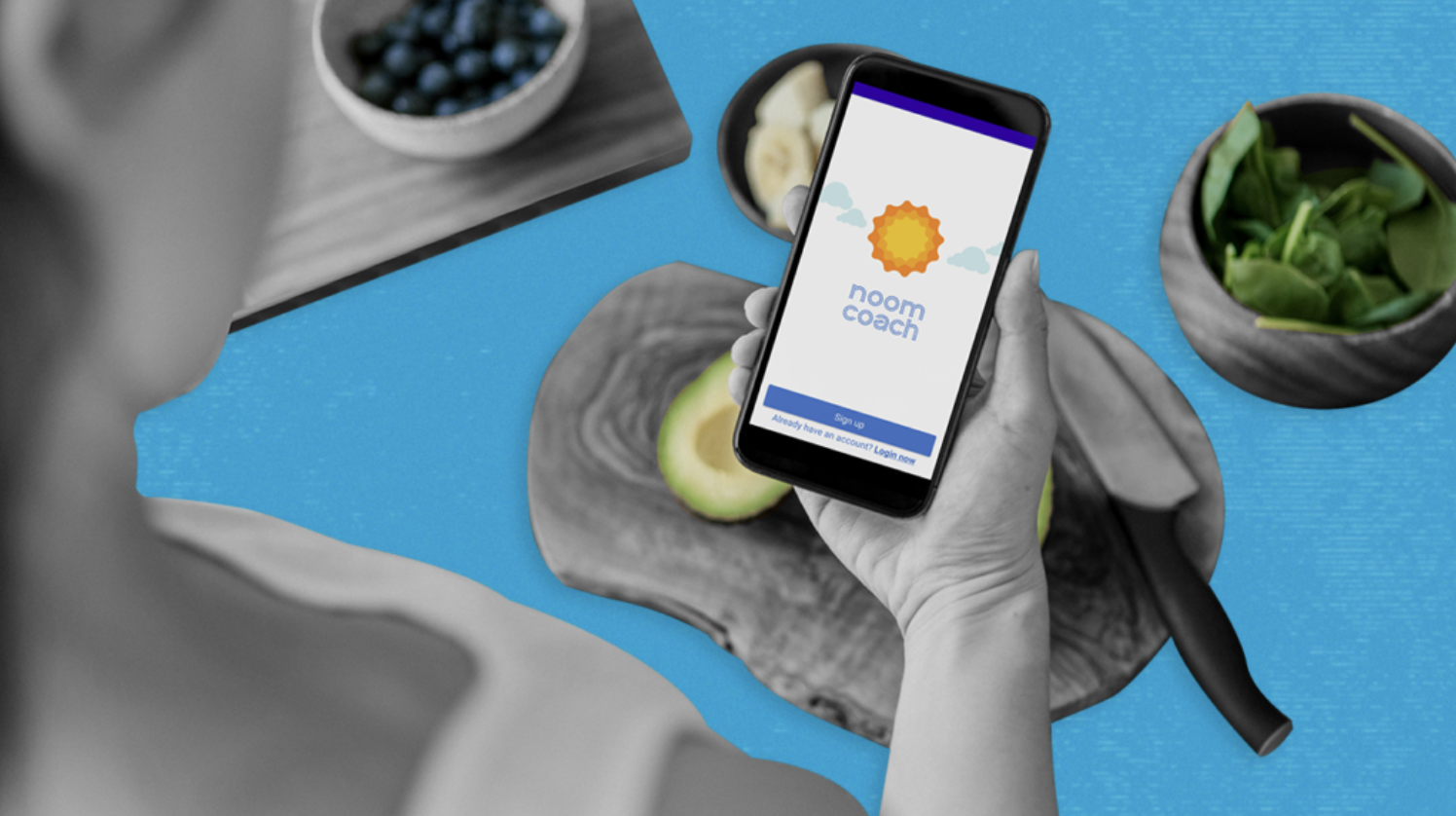
Noom Health Coach
Collectively, these services signal a cultural shift, where longevity is no longer an elite medical pursuit but an accessible, subscription-based ecosystem designed to make prevention part of everyday life. This signals a shift toward designing continuous, personalised ecosystems rather than isolated products or services. It calls for creating integrated customer journeys that blend diagnostics, coaching, environments, and daily touch-points into a cohesive health-supporting experience. Meaning reimagining brands as long-term wellbeing partners, crafting interfaces, subscription models, service blueprints, and physical or digital products that reinforce sustainable habits. It also requires translating complex health insights into intuitive, human-centred tools and rituals that fit seamlessly into real life.
Ultimately, the opportunity lies in helping organisations move from transactional interactions to holistic, preventative longevity platforms that build loyalty, differentiation, and measurable impact.
Design & Innovation Takeaway
Delivering on these shifts require toolkits that blend service design, systems thinking, behavioural science, and experiential prototyping. Designing modular wellness services demands service blueprinting, journey mapping, and ecosystem modelling to define how customers select, combine, and evolve their wellness modules over time.
Creating immersive, multi-sensory environments requires expertise in experience design, spatial prototyping, sound and light interaction, and material or CMF strategy, ensuring every sensory cue supports restoration or longevity. Personalisation depends on the ability to work with data partners, translate biometrics into meaningful user experiences, and design adaptive interfaces that deliver insights without overwhelming users.
Tools such as co-creation labs, rapid prototyping, lo-fi spatial mock-ups, story-driven scenario testing, and AI-assisted concept development help validate what genuinely improves wellbeing.
Ultimately, supporting shifts from retail transactions to a holistic wellness-service platforms, and designing the products, services, touch-points, and organisational capabilities required to deliver personalised, restorative, and future-facing wellbeing experiences at scale.
Nutrition Reimagined
Food & Beverage is perhaps the most tangible frontline of the Better-for-You era.
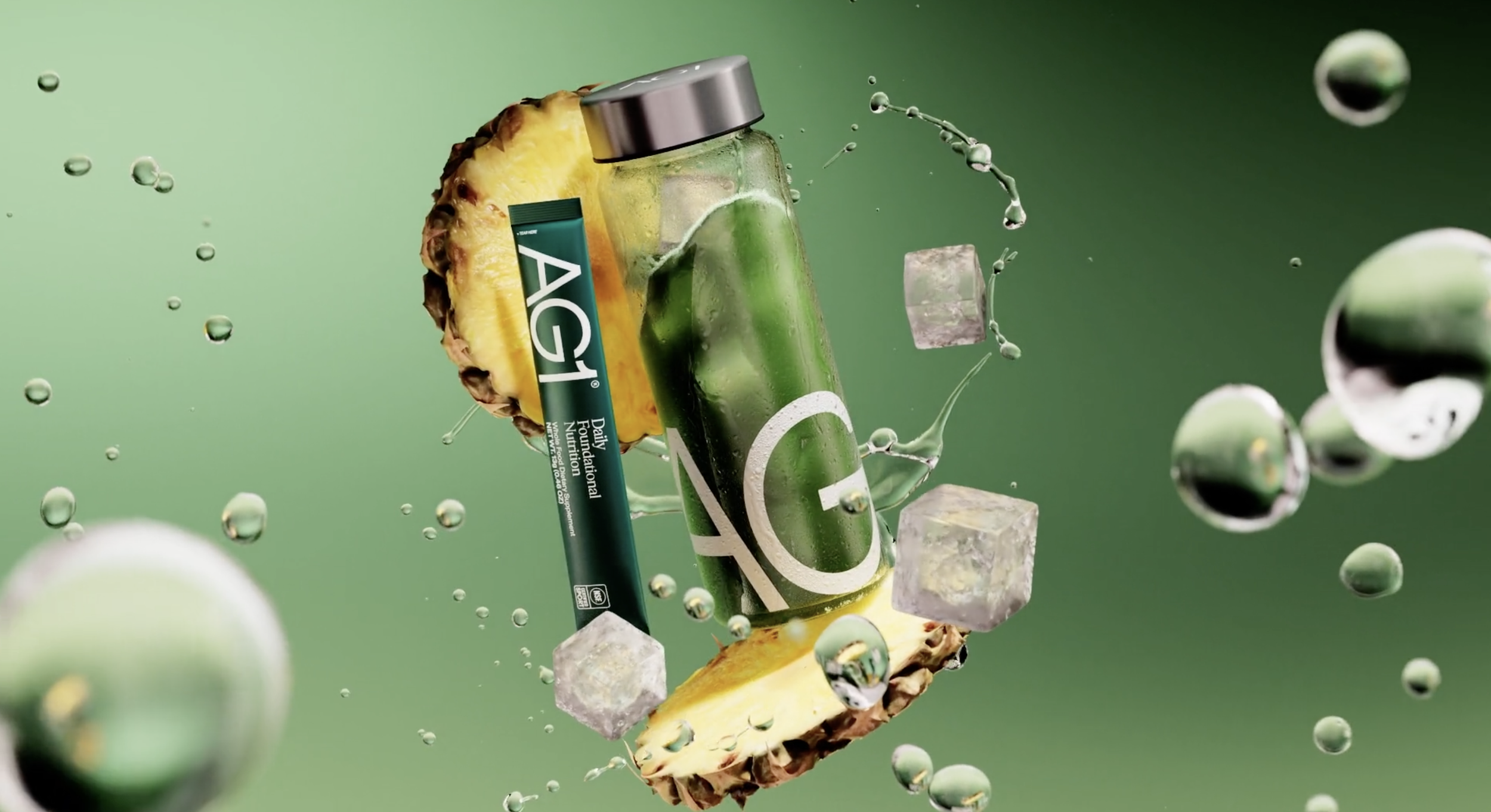
AG1 Membership
Bio-Individual Wellness
Tailored nutrition is shifting from broad wellness drinks to precision formulations: e.g., bespoke supplements based on genetic or microbiome data. The personalised nutrition market is projected to reach USD 30.94 billion by 2030 from USD 15.79 billion in 2025. MarketsandMarkets
Sensory Restoration
Consumers are increasingly seeking products that help them downshift, recover, and create moments of calm in overstimulated daily routines. This is driving demand for evening-first formats, such as rest-supporting beverages, low-stimulant snacks, calming blends, and adaptogen-infused drinks that act as gentle prompts for the body to unwind.
The rise of the sound-healing and sensory-therapy market reinforces this shift, signalling that people are willing to pay for deeper forms of restoration, not just relaxation. Nutrition is moving in parallel, with functional, prevention-minded offerings like Novos Longevity Bars designed to build long-term biological resilience rather than deliver short energy spikes.
Together, these patterns point to an opportunity for brands to create ritualistic, sensorially rich experiences that position restoration as an integral part of everyday wellbeing.
Everyday Longevity
Wellness is increasingly about supporting long-term health rather than quick fixes, creating opportunities for meals, snacks, and beverages formulated for prevention.
Gut-friendly foods, nutrient-dense formulations, and functional drinks are emerging as core tools for consumers seeking to integrate daily health-supporting routines into their lives. These offerings are less about immediate gratification and more about building resilience, supporting energy balance, and promoting longevity through consistent, mindful consumption.
Design & Innovation Takeaway
For strategic design and innovation, food & beverage brands must consider provenance, function, and ritual as central pillars of product development. Packaging, form-factor, consumption occasion, and sensory cues, such as taste, texture, and aroma should all reinforce the wellness promise. Retailers can leverage this by curating immersive food & beverage zones that reflect each macro-trend, guiding consumers to explore, sample, and engage with products as part of a broader wellness experience. By embedding ritual, education, and sensory engagement into the retail environment, these zones transform shopping into a holistic, longevity-focused journey.
Shaping the Future of Wellness
The future of wellness is no longer a niche pursuit, it’s a cultural and commercial imperative.

Consumers are seeking experiences, products, and services that support long-term health, restoration, and personalisation, creating opportunities across interiors, food & drink, fashion, transport, and services. Strategic design and innovation are the connective tissue that transform these trends into meaningful, differentiated experiences. Without design thinking, wellness risks becoming cliché or fragmented, and with it, brands can define the space rather than follow it.
Macro-Trend Applications
Bio-Individual Wellness is driving demand for data-driven, personalised experiences. Consumers want products and services tailored to genetics, microbiome, and lifestyle, from AI-powered wellness coaching to adaptive car interiors and home environments that respond to mood, light, and air quality. Sensory Restoration is redefining how we rest and recharge, creating opportunities for evening-first functional foods, adaptogen-infused beverages, sound therapy sessions, neuro-aesthetic spa experiences, and immersive retail environments that soothe and recalibrate the senses. Everyday Longevity shifts wellness toward prevention and resilience, with ergonomic furniture, functional wearables, and nutrient-dense snacks forming daily rituals that support sustained health.
Strategic Design & Innovation in Action
To succeed, brands must lean into three key pillars:
Narrative Authenticity
Consumers are savvy and demand evidence-backed wellness, not marketing hype, as highlighted in the Vogue Business survey.Cross-Category Orchestration
Wellness spans interiors, nutrition, wearables, and services; integrated, multi-category approaches create richer, more compelling experiences.Data-Led Personalisation & Sensory Layering
Converging bio-individual insights with multi-sensory design unlocks experiences that feel deeply personal rather than generic.
Leading examples show what’s possible. While Zoe and Wild Health deliver personalised nutrition based on biomarkers, Forward and Span Health provide ongoing diagnostics and coaching, and organisations like Six Senses integrates sensory restoration into hospitality. Philips Hue & Sleep optimises home lighting to support circadian rhythms, and automotive brands like BMW embed wellness modes into car interiors.
Wellbeing, mindfulness, and the Better-for-You era are foundational to competitive brand strategy. Whether in transport, product, service, or food & beverage, the macro-trends of Bio-Individual Wellness, Sensory Restoration, and Everyday Longevity are creating unprecedented opportunities. Strategic design and innovation allow brands to create holistic, immersive, and preventative wellness experiences that resonate with the consumer of today and tomorrow. Design the experience, personalise the journey, and shape for long-term impact. In a wellness-driven future where expectations are rising across every sector, strategy becomes the navigator, cutting through noise, aligning intent with action, and steering brands toward meaningful, future-proof wellbeing experiences.